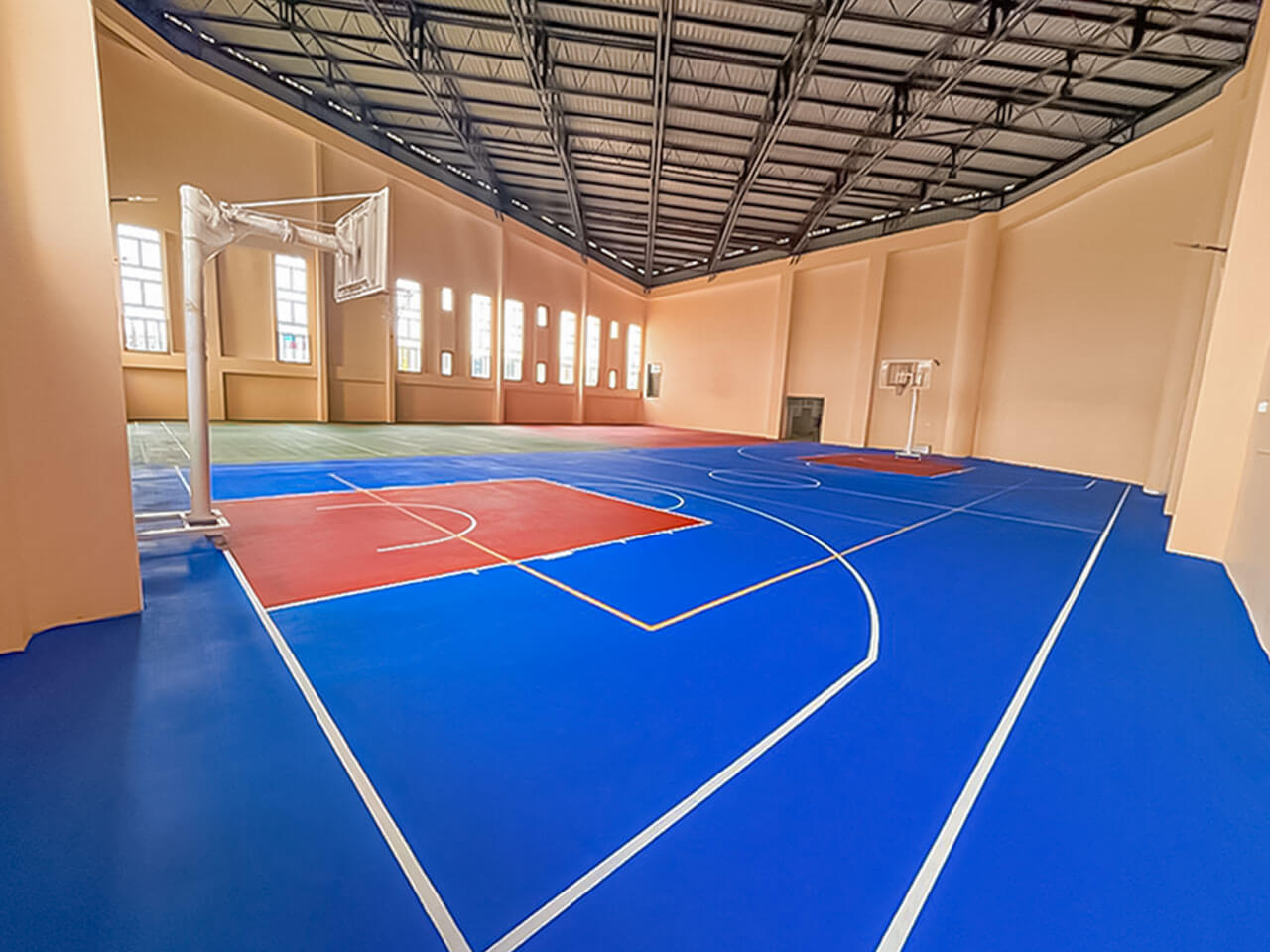
Sports flooring plays a crucial role in the performance and safety of athletes across a variety of disciplines. Whether it’s the polished hardwood of a basketball court, the cushioned surfaces of a gymnastic arena, or the synthetic pitches for soccer, the choice of flooring can significantly impact both the gameplay experience and injury prevention. With technological advancements and an increasing emphasis on sports science, the landscape of sports flooring is evolving, offering innovative solutions tailored to meet the unique demands of different sports.
In this article, we will explore the various types of sports flooring available, their respective benefits, and how they contribute to enhancing athletic performance. From durability and maintenance to shock absorption and traction, understanding the key features of different flooring materials is essential for facility managers, athletes, and coaches alike. Join us as we delve into the world of sports flooring and uncover what makes an ideal surface for training and competition.
Types of Sports Flooring
Various types of sports flooring cater to the specific needs of different athletic disciplines. Hardwood floors are often preferred for basketball due to their resilience and ability to provide a consistent bounce for the ball, while sports like gymnastics require specialized cushioned surfaces to enhance safety and shock absorption during tumbles and landings. Additionally, the rise of synthetic materials has transformed how sports facilities are built, providing options that are durable, low-maintenance, and adaptable to outdoor or indoor settings. These varied surfaces not only ensure player comfort but also contribute significantly to performance outcomes in competitive environments.
Features of Ideal Sports Flooring
In selecting the appropriate flooring, key features such as durability, maintenance, shock absorption, and traction must be considered. Durable surfaces withstand heavy use and reduce wear over time, ensuring longevity and cost-effectiveness for facilities. Shock-absorbing properties protect athletes from impacts, thus minimizing injury risks. Furthermore, adequate traction is essential for safety, allowing athletes to perform with confidence during quick movements. Ultimately, an understanding of these features is crucial for facility managers looking to create an optimal training and competition environment for athletes.
In conclusion, the significance of sports flooring cannot be overstated, as it directly influences both the safety and performance of athletes across various disciplines. As we have explored, the selection of the right flooring—whether it be hardwood, cushioned surfaces, or synthetic materials—plays a pivotal role in ensuring optimal conditions for training and competition. By prioritizing features such as durability, shock absorption, and traction, facility managers can create environments that not only enhance athletic performance but also reduce the risk of injuries. As technology continues to advance, the future of sports flooring looks promising, with innovations that will further support athletes in their pursuit of excellence. Ultimately, investing in the right flooring solutions is an investment in the health and success of athletes, underscoring the essential role that these surfaces play in the world of sports.